
Table of Contents
Hey y’all!
If you’re here, you’re probably feeling that nudge to finally get your finances in order. First off—I see you, and I’m proud of you. Taking the time to learn how to set realistic financial goals is a huge first step toward financial peace, freedom, and let’s be real, less money stress.
This is your simple, straight-to-the-point guide to get started without the overwhelm.
Why Set Financial Goals?
Before we get into the how, let’s talk about why this even matters:
- Gives direction: Goals give you a clear path to follow and keep you motivated.
- Helps prioritize: With goals, it becomes easier to say yes to what matters and no to what doesn’t.
- Reduces stress: A clear plan lowers anxiety. Period.
Steps to Setting Realistic Financial Goals
- Reflect on your current situation
- Assess your finances: Look at your income, expenses, debt, and savings. Know your numbers—even if it’s scary.
- Identify your priorities: What matters most right now? Paying off debt? Starting an emergency fund? Planning a trip?
- Set specific and measurable goals
- Get clear: Instead of “I want to save money,” say “I want to save $1,000 in 6 months.”
- Break it down: That’s $167/month or about $42/week. Now it feels doable, right?
- Make your goals achievable
- Be realistic: Your goals need to fit within your current budget. Adjust if needed.
- Start small: Knock out a quick win first (like saving $100) to build confidence.
- Set a timeline
- Short-term goals: Things you can knock out within a year—like paying off a credit card.
- Long-term goals: Bigger things like saving for a home, retirement, or funding your kids’ education.
- Create an action plan
- Make a budget: Align your monthly spending with your goals.
- Automate your savings: Set up transfers so you’re not relying on willpower.
- Stay flexible: Life be life-ing. Adjust if you need to—it’s okay.
- Monitor your progress
- Track regularly: Use a notebook, spreadsheet, or budgeting app.
- Celebrate milestones: Every time you hit a goal, celebrate (on budget, of course).
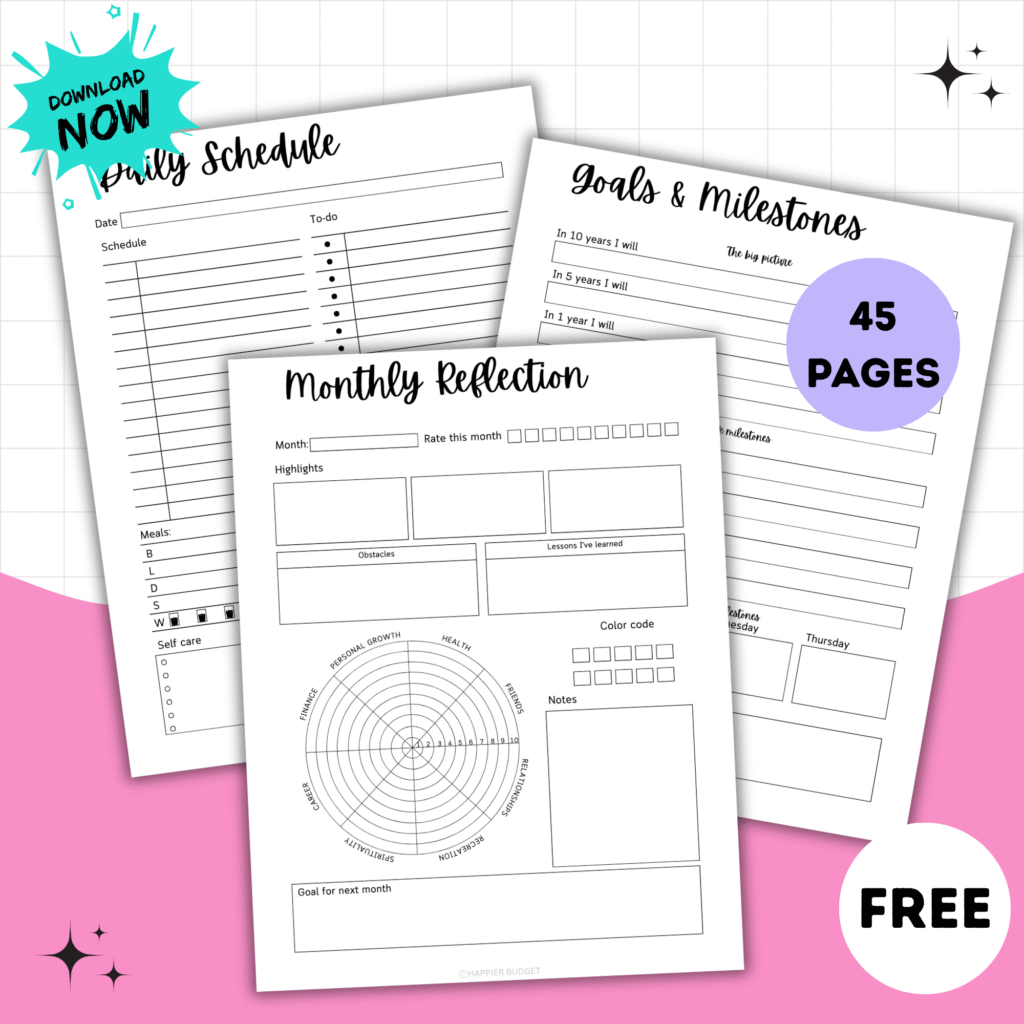
Tips for Staying on Track
- Stay motivated: Keep your “why” front and center. Print it out. Write it down. Make it your phone background.
- Find accountability: Tell a friend, join a budgeting group, or get a money buddy.
- Keep learning: Personal finance is a lifelong thing. Keep feeding your brain!
Final Thoughts
Learning how to set realistic financial goals isn’t about perfection. It’s about progress. Knowing what you want, making a plan to get there, and staying flexible as life happens.
One step at a time, one small goal at a time—that’s how you build a future you can be proud of.
You’ve got this!
Happy budgeting, and may your financial journey be filled with clarity, calm, and lots of money!