Table of Contents
Sometimes, your budget just needs a full-on reboot.
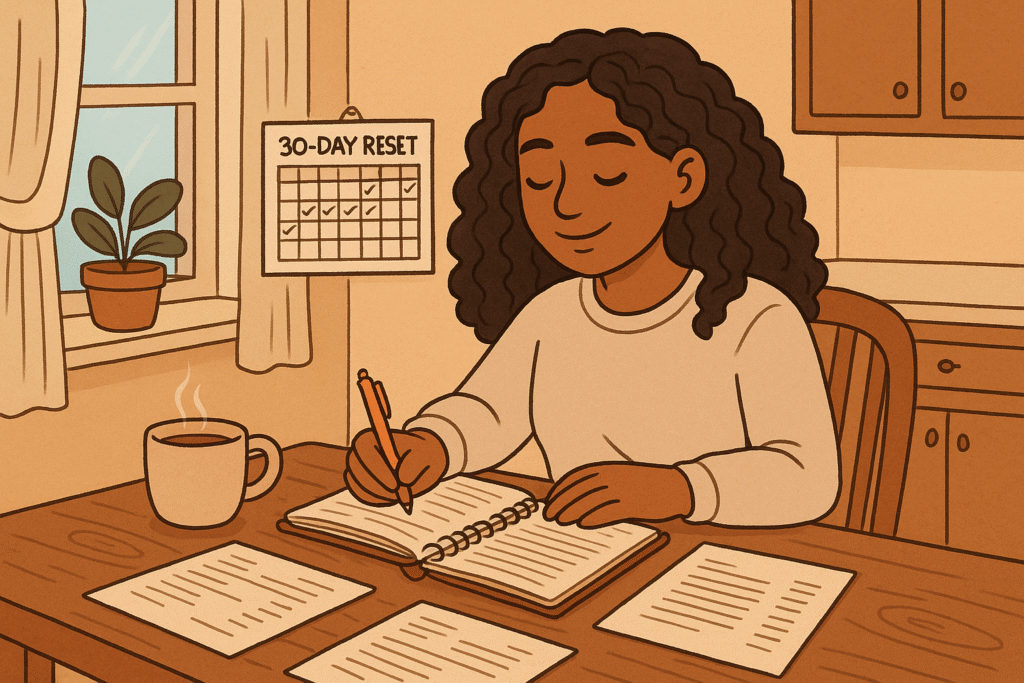
I’m talking about the kind of reset where you stop avoiding your bank account and finally get clear on your goals, your habits, and your money mindset. Because if you’re anything like me, there have been seasons where your budget just… wasn’t budgeting. Things felt scattered. You were spending without tracking, saving without a plan, and trying to “get it together” while juggling everything else in life.
That’s where this 30-Day Budget Reset comes in.
It’s the exact process I use when I feel like I’ve fallen off track, and it works. It’s simple, doable, and designed to help you feel in control again, one day at a time. You don’t need fancy spreadsheets or complicated financial tools. You just need a fresh start, a little focus, and a commitment to show up daily (even if it’s just for 5 minutes).
Here’s how to reset your budget in just 30 days.
Week 1: Getting Honest With Your Money
Day 1: Set Your Financial Goals
Start by asking yourself: What am I working toward? Maybe it’s paying down debt, building an emergency fund, or saving for a new apartment. Your goals don’t have to be huge, but they do need to be clear. Write them down. Put a deadline on them. This is your why.
Day 2: Track Every Dollar You’ve Been Spending
Pull up your bank statements and start highlighting categories: groceries, takeout, bills, Target runs (we all have ‘em). You can’t fix what you won’t face, and tracking your spending shows you exactly where your money has been going.
Day 3: Find Your Money Leaks
What keeps sneaking into your budget? For me, it used to be random Amazon purchases and DoorDash orders on tired nights. Identify what’s quietly draining your money and make a list of what to pause or cancel.
Day 4: Create a Budget Framework
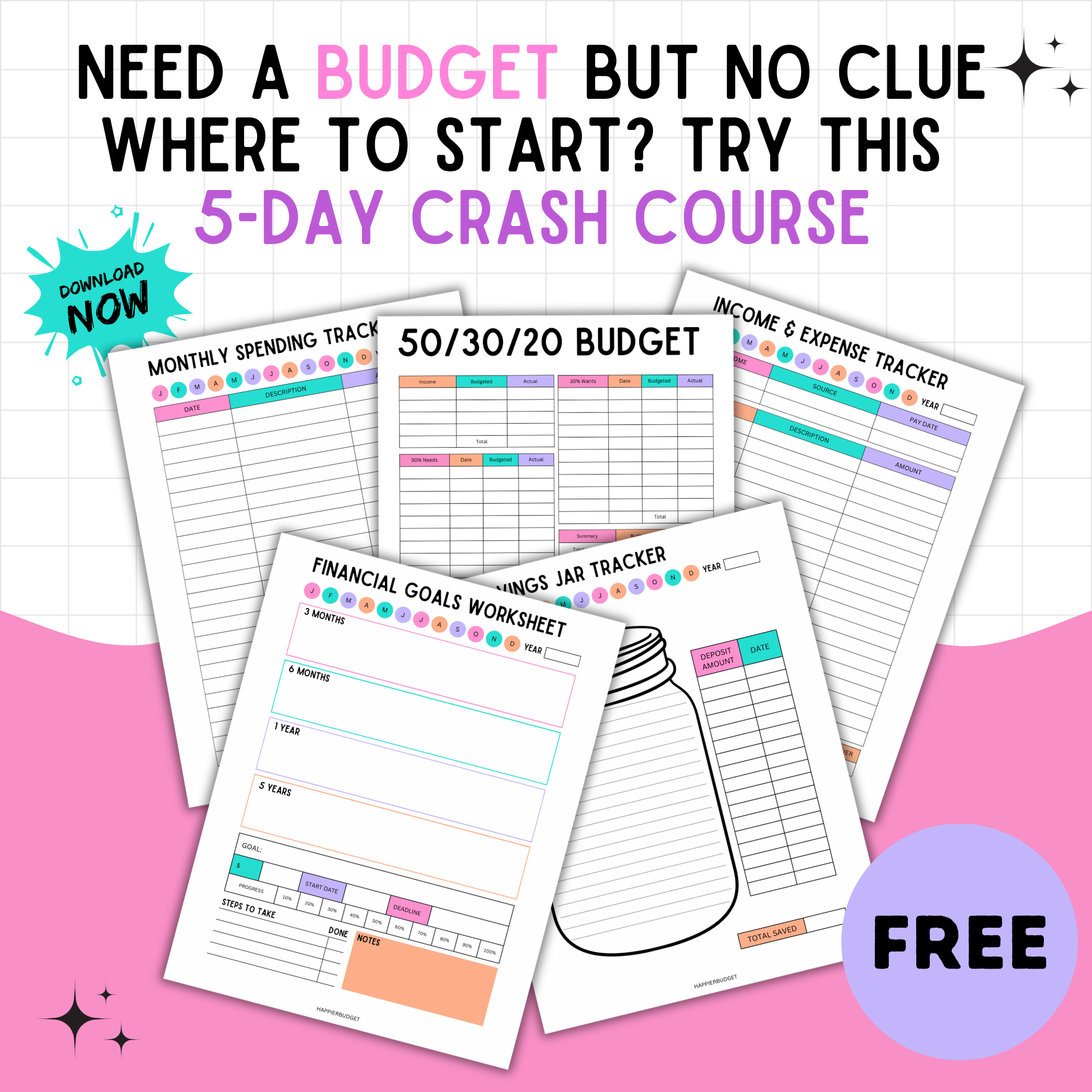
Choose a system that works for your brain. Some people love the 50/30/20 rule, others thrive with a zero-based budget (every dollar gets a job). The point is to make sure your income is being intentionally managed.
Day 5: Get Clear on Wants vs Needs
We all want things, but when money is tight, we have to get brutally honest. Label your current expenses into “need” or “want” and adjust accordingly. That doesn’t mean you can’t enjoy life; it just means prioritizing.
Day 6: Start an Emergency Fund (No Matter How Small)
Even if it’s $10 a week. Even if it’s just a cash envelope labeled “Life Happens.” The goal here is to stop relying on credit cards for the unexpected.
Day 7: Organize Your Money Life
Create folders for your bills, set reminders for due dates, or even print out a few cute budgeting templates. Having a system helps you feel in control, even if things are still messy.
Week 2: Cutting Back & Earning More
Day 8: Meal Plan Like a Boss
Meal planning is a game-changer. It helps you stop overspending on food and takeout while making your week feel more manageable. I always include budget-friendly meals I know my picky eaters will actually eat. (Want a done-for-you weekly meal plan? I’ve got one coming soon.)
Day 9: Plan Free Fun
Money-saving doesn’t have to be boring. Look up free activities in your city, have a movie night at home, or play board games with your kids. Budgeting shouldn’t feel like punishment.
Day 10: Try a No-Spend Day
Pick one day to not spend a single cent. You’ll be shocked how empowering it feels, and how many little habits you start to notice. If you love the challenge, try a full no-spend week or grab my No Spend Challenge Workbook. Get 3 templates from my workbook for free down below to try it out!

Day 11: Sell What You Don’t Use
Decluttering can equal dollars. Go through your closet, kids’ toys, books, or gadgets. Post them on Facebook Marketplace or Poshmark and put that cash straight into savings or toward debt.
Day 12: Negotiate Your Bills
Yup, you can actually call companies and ask for better rates. Try your phone, internet, or even insurance. It doesn’t hurt to ask, and I’ve saved $50/month with Verizon Fios just by asking for promotions and about their loyalty program.
Day 13: Brainstorm a Side Hustle
Whether it’s selling digital products (like I do!), freelancing, or pet sitting, having a small extra income stream can change your financial life. Write down ideas. Pick one to test. You don’t need to go viral to make it work.
Day 14: Reflect on Your Wins So Far
Even if it’s just “I didn’t buy Starbucks all week”…celebrate that. Every small win builds momentum.
Week 3: Building Better Habits
Day 15: Automate Your Savings
If you can automate $5 a week, do it. Set it and forget it. Even better if it goes into a high-yield savings account (I use Marcus by Goldman Sachs and love it). Learn more about it in this post.
Day 16: Use Cash for Fun Spending
Try using cash envelopes for things like dining out or Target runs. Once the cash is gone, it’s gone. It forces you to stick to your budget without guilt.
Day 17: Meal Prep Something Easy
Meal prep doesn’t have to be intense. Cut up veggies, prep snacks, or cook one thing you can stretch all week. The goal is to reduce stress and save money, not become a TikTok chef.
Day 18: Budget Check-In Day
Revisit your numbers. Did you stay on budget this week? If not, what happened? Budgeting is about awareness, not shame.
Day 19: Practice Gratitude
When you focus on what you have, the temptation to overspend slows down. Write down three things you’re grateful for today.
Day 20: Unsubscribe From Temptation
Those emails that say “20% off” or those influencers who make you feel like you need a new wardrobe? Hit unsubscribe. Protect your peace (and your pockets).
Day 21: Find Free Financial Resources
There are so many free budgeting blogs (like this one!), YouTube channels, and podcasts that can help you learn more. You don’t need a finance degree to get good at money.
Week 4: Planning for the Long Game with This Budget Reset
Day 22: Make a Debt Payoff Plan
Choose your method:
- Snowball = smallest balance first
- Avalanche = highest interest rate first
Both work, you just need to pick one and get started. I used a mix of both when we were aggressively paying down debt. My debt tracker printable can help you stay on track.
Day 23: Review Your Insurance
Make sure you’re not overpaying or under-covered. Check your car, health, and renters insurance for gaps or savings.
Day 24: Start Learning About Investing
Don’t overthink it. Start with a basic book or YouTube channel. Once you’re saving consistently, investing becomes the next step to building real wealth.
Day 25: Prep for Big Life Expenses
Holidays, birthdays, and back-to-school costs don’t have to wreck your budget. Start sinking funds now and spread out the savings.
Day 26: Level Up Your Money Knowledge
Sign up for a free workshop, watch a budgeting video, or even start a budget book club. When you treat financial growth like personal growth, everything shifts.
Day 27: Lower Your Utility Bills
Turn off lights, unplug what you don’t use, and teach your kids not to run the water while brushing their teeth (still working on this one myself).
Day 28: Celebrate How Far You’ve Come
Light a candle, watch your favorite movie, or do a self-care night—budget-style. You’ve shown up for 4 weeks straight. That’s powerful.
Day 29: Create a Long-Term Money Vision
What does your future look like debt-free? How would it feel to live on less than you make and have money saved for whatever life throws at you?
Day 30: Reflect + Reset Again
Go back to your day 1 goals and see how far you’ve come. What habits do you want to keep? What do you want to try next month?
Ready to Reset Your Budget?
You don’t need to have it all figured out today. You just need a starting point and this 30-day reset gives you exactly that. Whether you’re trying to break bad spending habits, finally get serious about saving, or just feel more in control of your finances, these daily steps will help you build real momentum.
Start where you are. Use what you have. And take it one day at a time.
If you’re a pen-and-paper kind of person (like me), I definitely recommend grabbing a notebook or even using your favorite budgeting templates to jot things down as you go. Check out the Happier Budget Planner if you’re ready to budget for real.
But in the meantime, just start.
You’ve got 30 days ahead of you. Let this be the month you take your power back, one small choice at a time.